
anti-glare glass
O Preço da Válvula Borboleta de 12 Polegadas Uma Análise Abrangente As válvulas borboleta são componentes essenciais em sistemas de tubulação, amplamente utilizadas na indústria devido à sua eficiência e versatilidade. Um dos tamanhos mais comuns é a válvula borboleta de 12 polegadas, que cadastra-se em um leque de aplicações, desde o transporte de água até a manipulação de produtos químicos. Neste artigo, vamos explorar os fatores que influenciam o preço de uma válvula borboleta de 12 polegadas e oferecer uma visão geral do mercado. O que é uma Válvula Borboleta? Antes de mergulharmos no preço, é importante entender o que é uma válvula borboleta. Este tipo de válvula possui um disco que gira em torno de um eixo, permitindo ou bloqueando o fluxo de fluidos. A principal vantagem das válvulas borboleta é que elas são geralmente mais leves e ocupam menos espaço do que outros tipos de válvulas, como as válvulas esfera. Além disso, sua operação é rápida e pode ser automatizada, o que aumenta ainda mais sua eficiência em aplicações industriais. Fatores que Influenciam o Preço 1. Material de Fabricação O material é um dos principais fatores que influenciam o preço de uma válvula borboleta. As válvulas podem ser fabricadas em diferentes materiais, como aço carbono, aço inoxidável e PVC. O aço inoxidável, por exemplo, é mais caro, mas oferece maior resistência à corrosão, o que o torna ideal para ambientes agressivos. O material escolhido pode, portanto, aumentar significativamente o custo da válvula. 2. Tipo de Acionamento As válvulas borboleta podem ser operadas manualmente ou através de um atuador automático. As válvulas com atuadores elétricos ou pneumáticos tendem a ser mais caras devido à complexidade e ao custo dos mecanismos de acionamento. A escolha do tipo de acionamento influencia diretamente o custo de aquisição. 12 inch butterfly valve price 3. Pressão e Temperatura O projeto da válvula, que inclui a sua capacidade de suportar altas pressões e temperaturas, também pode afetar o preço. Válvulas projetadas para aplicações de alta pressão ou temperatura costumam ser mais robustas e, consequentemente, mais caras. 4. Marca e Fabricante A reputação do fabricante e a marca também desempenham um papel importante na formação do preço. Fabricantes renomados, que oferecem garantias e produtos de alta qualidade, podem cobrar mais por suas válvulas em comparação com marcas menos conhecidas. 5. Certificações e Normas Válvulas que atendem a normas específicas ou que possuem certificações de qualidade, como a ISO ou outras regulamentações industriais, podem ter um preço mais elevado. Essas certificações garantem que o produto foi testado e aprovado para uso em determinadas aplicações. Comparação de Preços Em termos de valores, o preço de uma válvula borboleta de 12 polegadas pode variar consideravelmente. Em média, uma válvula básica de PVC pode custar em torno de R$500, enquanto válvulas de aço inoxidável com atuadores automáticos podem ultrapassar os R$5.000. É vital pesquisar e comparar preços de diferentes fornecedores antes de tomar uma decisão de compra. Conclusão O preço de uma válvula borboleta de 12 polegadas é influenciado por vários fatores, incluindo material, tipo de acionamento, pressão, temperatura, marca e certificações. Para empresas e profissionais da indústria, é crucial entender essas variáveis ao considerar a compra desse componente. Avaliar o custo total, que inclui instalação e manutenção, também é fundamental para garantir um bom investimento a longo prazo. Portanto, antes de realizar uma aquisição, pesquise as opções disponíveis, verifique a reputação dos fabricantes e consulte especialistas do setor para tomar uma decisão informada.
about
anti-glare glass
Understanding the Pricing Factors of 1-Inch Check Valves In various industrial and plumbing applications, check valves play a crucial role in preventing backflow and ensuring the proper direction of fluid movement. Among the numerous sizes available, the 1-inch check valve is particularly popular due to its versatility in different systems. The price of a 1-inch check valve varies significantly based on several factors. This article will explore these factors, helping you gain insights into why prices may differ and what to consider when purchasing a check valve. Material Composition One of the primary factors influencing the price of a 1-inch check valve is the material from which it is made. Common materials include brass, PVC, stainless steel, and ductile iron. Each material offers different levels of durability, corrosion resistance, and suitability for specific applications, which directly affect the price. For instance, a PVC check valve is typically less expensive and suitable for low-pressure applications, such as water and similar fluids. On the other hand, stainless steel check valves are more expensive but are ideal for high-pressure systems and corrosive environments, such as those found in chemical processing. The choice of material should align with the intended use of the valve, impacting not only the initial investment but also long-term maintenance and replacement costs. Design and Manufacturer The design of the check valve also plays a significant role in pricing. Simple, basic designs may be more affordable, while advanced designs that offer higher performance or specific features—such as spring-loaded or dual-disc check valves—can come at a premium. Additionally, the manufacturer can influence the price. Established brands with a reputation for quality and reliability may charge more for their products, reflecting their investment in research, development, and quality control. When purchasing a 1-inch check valve, consider both the brand and the design to ensure you are getting good value for your investment. Application and Standards check valve 1 inch price The intended application of the check valve also dictates its price. Check valves designed for critical applications, such as medical or food processing, must meet stringent standards, which can increase their cost. For instance, valves that comply with sanitary and hygienic standards often undergo additional testing and certification processes, raising their price point. Conversely, check valves used in less demanding applications may not require as much testing or certification, resulting in a more competitive price. Before purchasing a check valve, it's essential to consider the specific requirements of your system to understand what level of investment is necessary. Quantity and Purchasing Options Another aspect that can affect pricing is the quantity purchased. Bulk purchasing often leads to discounts, making it more economically feasible for businesses or contractors that need multiple valves for a project. Additionally, the purchasing options you choose, whether from a local distributor or an online retailer, can result in price variations. Buying directly from manufacturers can sometimes yield better prices, but it may involve higher shipping costs for smaller orders. On the other hand, local suppliers may have marked-up prices due to convenience but could offer faster delivery and support. Researching various suppliers and comparing prices can help you find the best deal for your specific needs. Maintenance and Longevity Finally, it’s important to consider the long-term implications of your check valve investment. Cheaper check valves may save money upfront but could lead to higher maintenance costs or frequent replacements, ultimately making them more expensive in the long run. Investing in a higher-quality 1-inch check valve made from durable materials can reduce the frequency of repairs and replacements, leading to lower overall costs and increased system reliability. Conclusion In summary, the price of a 1-inch check valve can vary widely due to several influencing factors such as material composition, design, application requirements, purchasing options, and long-term maintenance considerations. When selecting a check valve, it's crucial to evaluate these factors in the context of your specific needs and budget. By understanding what contributes to the price of these valves, you can make a more informed decision that balances quality, performance, and cost-effectiveness. Whether you're a contractor, an engineer, or a DIY enthusiast, being educated about these pricing elements will lead to better purchases and ultimately a more reliable fluid system.
-

High quality industrial productsagement

High quality industrial products
View Details -

Meet the diverse needs of customers

Meet the diverse needs of customers
View Details -

Strict quality control

Strict quality control
View Details -

Top raw materials

Top raw materials
View Details -

Trusted supplier

Trusted supplier
View Details
Our application


news and information
Wholesale Valve Selection_ How to Choose the Right Types of Water Valves for Commercial Plumbing
Water valves are essential components in plumbing and industrial systems, controlling the flow and p
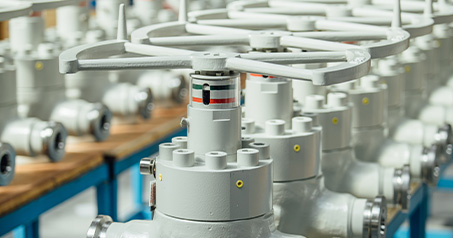
Valvola a saracinesca elettrica a tenuta morbida
La scelta e l'utilizzo corretti di una valvola a saracinesca da 150 mm sono fondamentali in numerose
Válvula de mariposa de 1200 mm para aplicaciones industriales y de control de flujo
Válvula de Mariposa de 1200 mm Eficiencia y Aplicaciones en la Industria La válvula de mariposa es u
 English